
Understanding Google Ads: Why It’s Important for Your Business
“In the modern digital landscape, a company’s success often hinges on its online presence. Whether you run a local store, an e-commerce brand, or a service-based company, getting noticed online is essential. paid Ads (formerly known as paid AdsWords) is one of the most powerful online advertising platforms that helps businesses reach their target audience precisely when they’re searching for products or services.
With billions of searches made every day, paid Ads puts your business in front of the right people at the right time. Instead of waiting for organic traffic to grow, this platform allows you to generate leads, increase sales, and build brand awareness almost instantly.
How Google Ads Works
paid Adss works on a pay-per-click (PPC) basis, where advertisers are charged only when a user clicks their ad. Companies compete by bidding on chosen keywords, and when people search for those terms, Google decides which ads to display at the top of the results page.
Key Components of Google Ads
- Keywords – The foundation of Google Ads. Choosing the right keywords ensures your ad appears to people who are actually interested in your offerings.
- Ad Copy – Engaging ad headlines and descriptions capture attention and drive clicks.
- Bidding Strategy – Determines how much you’re willing to pay per click or impression.
- Quality Score – A Google rating based on ad relevance, expected click-through rate, and landing page quality. Higher scores lower your ad costs.
- Ad Extensions – Extra details such as phone numbers, location, or additional links that make your ads more attractive.
Benefits of Using Google Ads
1. Instant Online Visibility
Unlike SEO, which takes time to show results, Google Ads provides immediate exposure. As soon as your campaign goes live, your ads can appear on the first page of Google.
2. Highly Targeted Campaigns
Google Ads lets you narrow down your audience by location, age, gender, device, interests, and even income level. This precision targeting ensures that you only spend money on people most likely to become customers.
3. Budget-Friendly and Flexible
Whether you have a daily budget of $10 or $10,000, Google Ads is highly flexible. You control how much you spend, and you can pause or adjust campaigns anytime.
4. Measurable ROI
Unlike traditional advertising, Google Ads provides detailed insights into clicks, impressions, conversions, and cost-per-acquisition. This data allows businesses to refine campaigns for maximum profit.
Types of Google Ads Campaigns
To make the most of Google Ads, it’s important to understand the different campaign types available:
1. Search Campaigns
These are text-based ads that appear at the top of paid ads search results when users type in specific keywords. Perfect for generating leads and sales.
2. Display Campaigns
Visual ads (images, banners, or videos) shown across millions of websites and apps within the paid ads Display Network. Ideal for brand awareness.
3. Shopping Campaigns
Best for e-commerce businesses. These ads display product photos, pricing, and store details right within paid ads search results
4. Video Campaigns
Advertisements shown on YouTube and across Google’s video partner network. Great for storytelling and audience engagement.
5. App Campaigns
Promote your mobile app across Google Play, YouTube, and the Display Network to drive more downloads.
Best Practices for Running Successful paid Ads
1. Conduct Thorough Keyword Research
Leverage keyword research tools such as Google Keyword Planner to identify relevant and high-performing keywords.”. Focus on a mix of broad, phrase, and exact match keywords for maximum reach and relevance.
2. Write Compelling Ad Copy
Your ad’s headline and copy should capture interest and drive engagement.. Highlight unique selling points, include strong calls-to-action, and address customer pain points.
3. Optimize Your Landing Pages
A well-optimized landing page improves user experience and boosts conversionsMake sure your landing page loads quickly, works seamlessly on mobile, and delivers on the ad’s promise
4. Use Ad Extensions
Enhance your ads with sitelinks, call buttons, reviews, and location extensions. This increases visibility and click-through rates.
5. Track and Analyze Performance
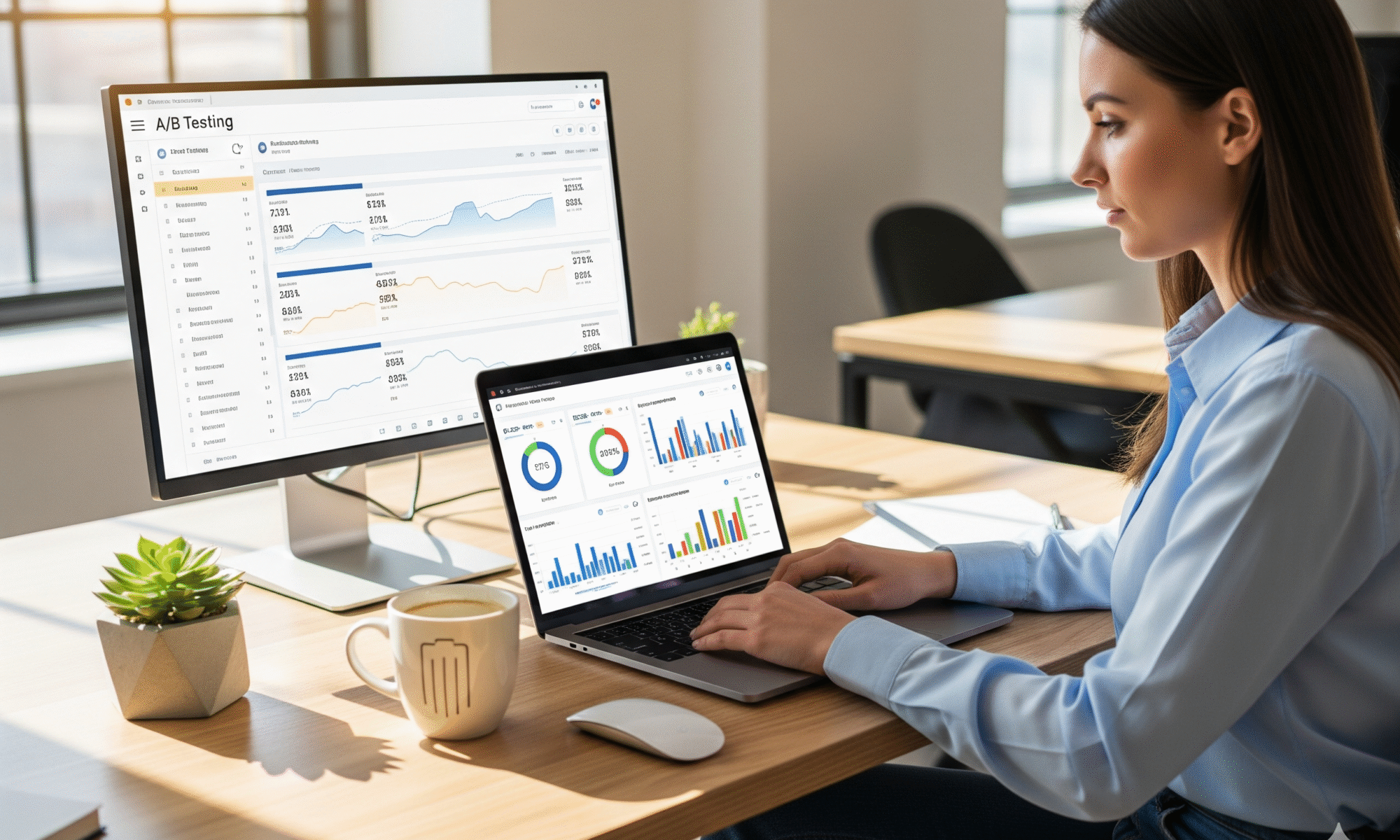
Track essential performance indicators like CTR, conversion rate, and CPC. Leverage A/B testing to optimize and refine your ad campaigns on an ongoing basis
Common Mistakes to Avoid in Google Ads
- Targeting Broad Keywords – This can drain your budget quickly without delivering quality leads.
- Ignoring Negative Keywords – Without excluding irrelevant terms, you’ll waste money on unqualified clicks.
- Not Setting Clear Goals – Every campaign should have a specific objective such as lead generation, sales, or brand awareness.
- Forgetting About Mobile Users – Most searches happen on mobile devices, so mobile-friendly ads are a must.
- Not Using Conversion Tracking – Without tracking, it’s impossible to know if your ads are delivering results.