
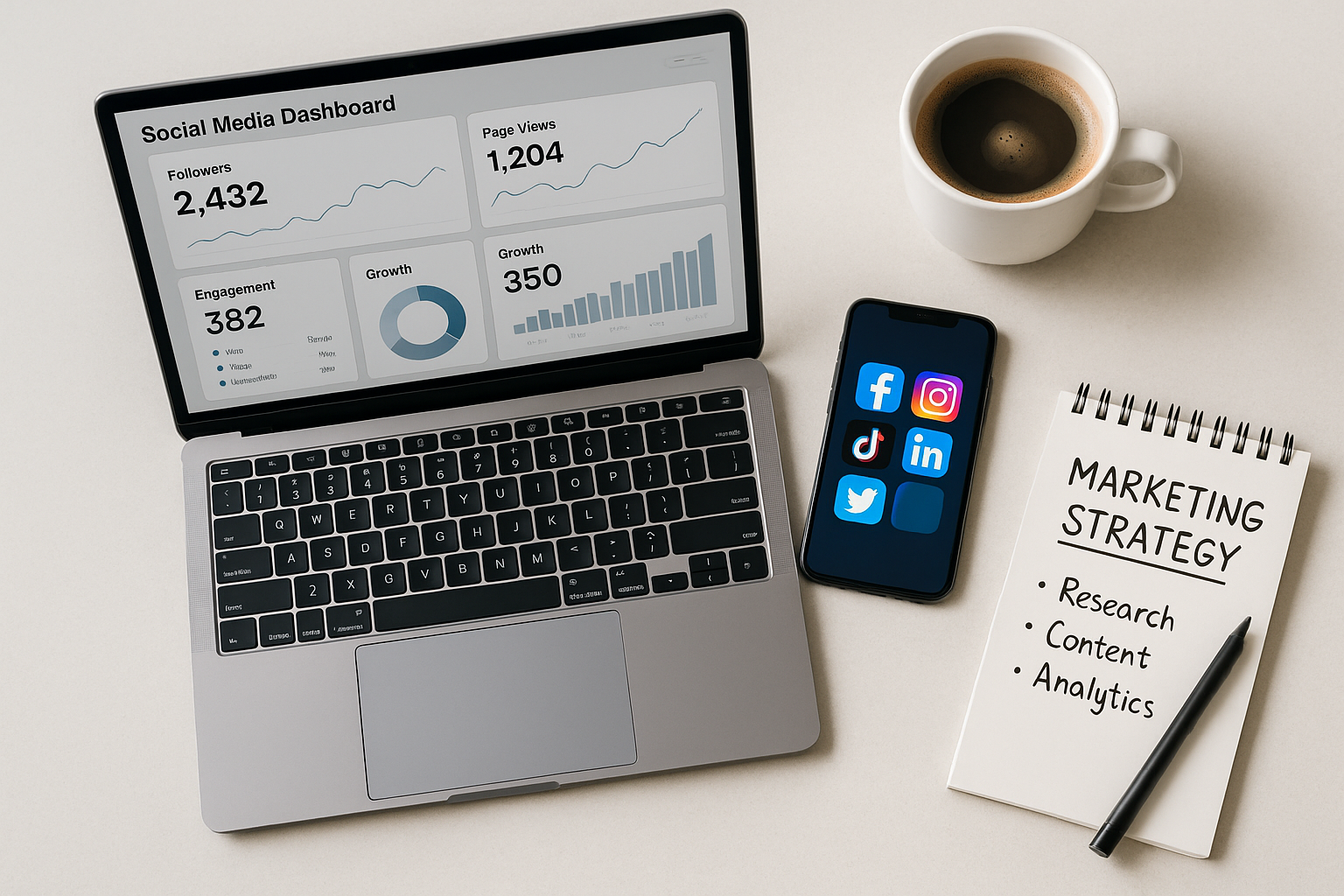
In today’s digital-first world, social media marketing has transformed from being a trend into a necessity. With billions of active users across platforms like Facebook, Instagram, TikTok, and LinkedIn, businesses now have unprecedented opportunities to reach, engage, and convert their target audiences. But effective social media marketing requires more than just posting pretty pictures—it demands strategy, consistency, and creativity.
In this blog, we’ll break down everything you need to know about social media marketing, why it’s important, and how you can create campaigns that truly make an impact.
What is Social Media Marketing?
Social media marketing (SMM) is the practice of using social platforms to promote products, services, or brands. It includes creating engaging content, running ads, building community, and analyzing performance to achieve business goals such as brand awareness, lead generation, or sales.
At its core, social media marketing is about building real connections—engaging with your audience where they already spend their time online.
Why Social Media Marketing Matters for Businesses
No matter if you’re managing a neighborhood shop or an international enterprise, social media can be your strongest allyl. Here’s why it’s so important:
1. Reach a Global Audience
Billions of people actively engage on platforms such as Facebook and Instagram every day.. Social media gives you access to potential customers worldwide, regardless of your business size.
2. Build Stronger Customer Relationships
Social platforms allow for two-way communication. Businesses can directly engage with customers through comments, messages, and interactive content like polls or stories.
3. Cost-Effective Marketing
Social media marketing offers a cost-effective alternative to traditional advertising methods.. Even with a small budget, businesses can run highly targeted ad campaigns to reach their ideal customers.
4. Drive Traffic and Sales
Beyond likes and followers, social media fuels meaningful engagement and tangible business out comes.s. By sharing valuable content and linking to your website, you can increase traffic and boost conversions.
Key Social Media Platforms for Marketing
Not every platform is right for every business. Here’s a breakdown of the most popular ones and how they can benefit your brand:
Best for: Local businesses, service providers, and broad audiences.
With advanced ad targeting and community-building tools, Facebook remains a powerhouse for businesses looking to connect with diverse audiences.
Best for: Lifestyle, fashion, food, and visual storytelling.
Instagram’s focus on visuals makes it perfect for brands that want to showcase products through photos, reels, and stories.
Best for: B2B businesses and professionals.
If your target audience is decision-makers and professionals, LinkedIn is the go-to platform for networking and thought leadership.
TikTok
Best for: Younger audiences and creative brands.
TikTok’s viral nature offers huge opportunities for engagement, especially for brands that can create fun, authentic short videos.
Twitter (X)
Best for: Real-time updates and customer interaction.
Twitter is great for sharing quick updates, news, and engaging in trending conversations.
How to Create a Winning Social Media Marketing Strategy
Success on social media doesn’t happen overnight. It requires a clear plan. Follow these key steps to craft a successful social media strategy
1. Define Your Goals
Do you want to increase brand awareness, drive traffic, or generate leads? Setting SMART (Specific, Measurable, Achievable, Relevant, Time-bound) goals will guide your efforts.
2. Know Your Audience
Research who your ideal customers are, their demographics, and which platforms they use most. Creating buyer personas can help you tailor your content.
3. Choose the Right Platforms
Don’t try to be everywhere. Choose the platforms that best match your business goals and where your target audience spends the most time
4. Create Engaging Content
Content is the backbone of social media. Mix different formats—videos, images, infographics, and live streams—to keep your audience interested.
5. Be Consistent
Posting regularly builds trust and keeps your brand top-of-mind. Use a content calendar to stay organized.
6. Monitor and Optimize
Track your analytics to see what’s working and what’s not. Use insights to improve your campaigns continuously.
Top Trends in Social Media Marketing for 2025
Stay Future-Ready with Emerging Social Media Trends
To outperform your competitors, keeping an eye on the latest trends is crucial. Below are the major shifts defining the future of social media marketing.
Short-Form Video Dominance
TikTok, Instagram Reels, and YouTube Shorts prove that snackable, entertaining content captures attention fast.
Social Commerce
Platforms are making it easier for users to shop without leaving the app. Businesses can leverage in-app shops to increase sales.
User-Generated Content (UGC)
People trust other people more than brands. Encouraging customers to share their experiences builds credibility and authenticity.
AI and Automation
From chatbots to AI-driven ad targeting, automation helps brands save time while delivering personalized experiences.
Common Mistakes to Avoid in Social Media Marketing
Even with the best intentions, many businesses make mistakes that cost them growth. Watch out for these:
- Posting inconsistently
- Ignoring analytics
- Being too promotional and not adding value
- Not engaging with followers
- Using the same content across all platforms without adaptation
Final Thoughts
Social media marketing is no longer optional—it’s essential. When done right, it can help you build brand awareness, foster strong relationships, and drive significant business growth. By understanding your audience, creating engaging content, and staying consistent, you can turn social media into one of your most powerful marketing channels.
If you haven’t already, now is the time to invest in a solid social media marketing strategy and take your business to the next level.